 BITCOIN SIGNALS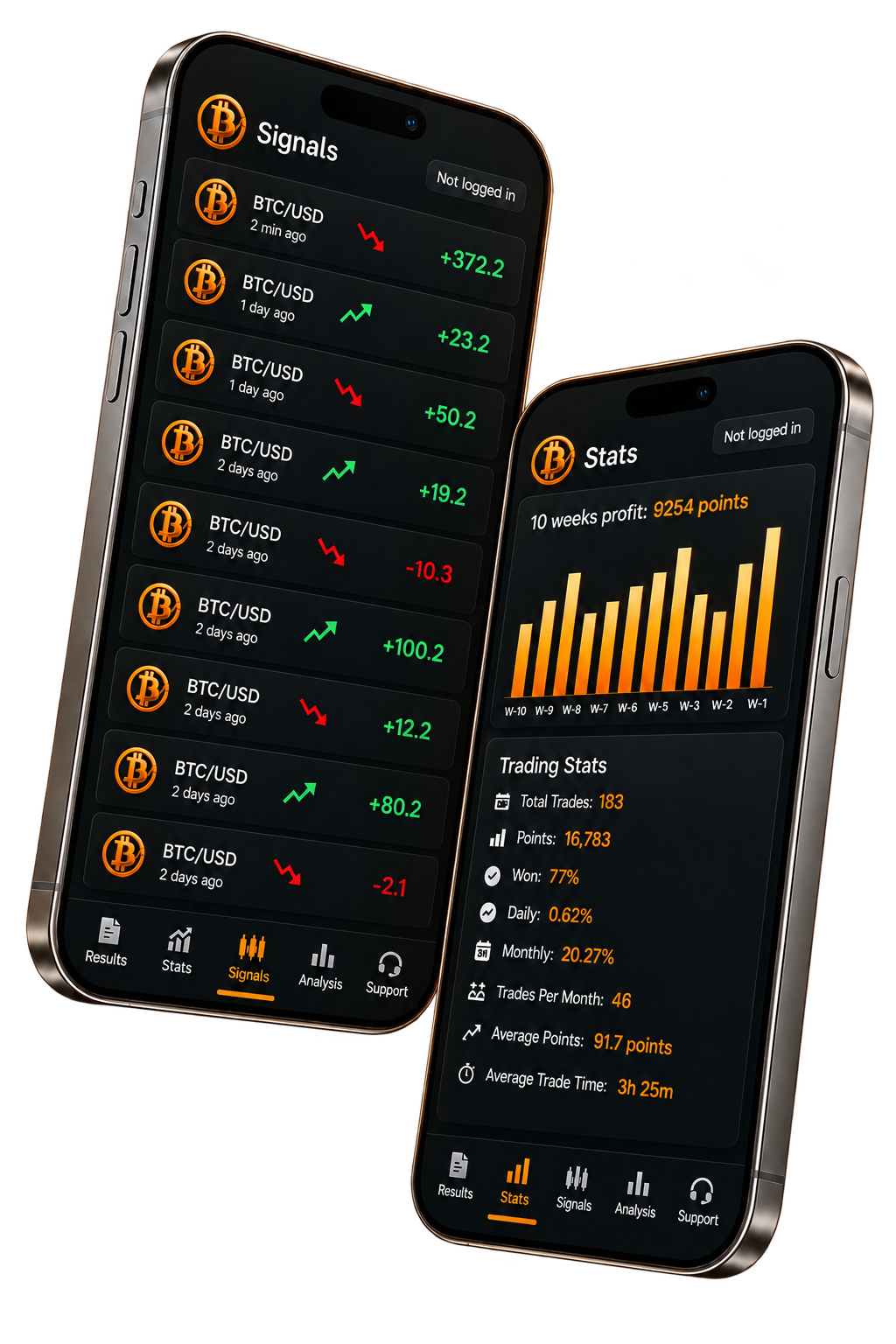
US CPI
Inflation surprises can shift interest-rate expectations, the US dollar and broader risk appetite.
Check official release schedules and convert the announced time to your local timezone. Crypto trades around the clock, including before and after traditional market hours.
Inflation surprises can shift interest-rate expectations, the US dollar and broader risk appetite.
Rate decisions, projections and press conferences can produce abrupt repricing across global markets.
Payrolls, unemployment and wage data can change expectations for growth and monetary policy.
Large creations, redemptions and portfolio rebalancing can affect demand and short-term liquidity.
Expiry, positioning and liquidations can amplify moves, especially when leverage is concentrated.
Major network changes, exchange incidents and regulatory deadlines can create market-specific risk.
Use official calendars, then mark the event window on your own trading plan. Avoid assuming the first price move will be the lasting one.
Check the BLS and Federal Reserve schedules at the start of the week.
Note the release time and any consensus estimate from your chosen data provider.
Review open exposure and invalidation levels before the event.
Wait for spreads and volatility to normalise if conditions exceed your plan.
Download Bitcoin Signals for market alerts on iOS or Google Play.