 BITCOIN SIGNALS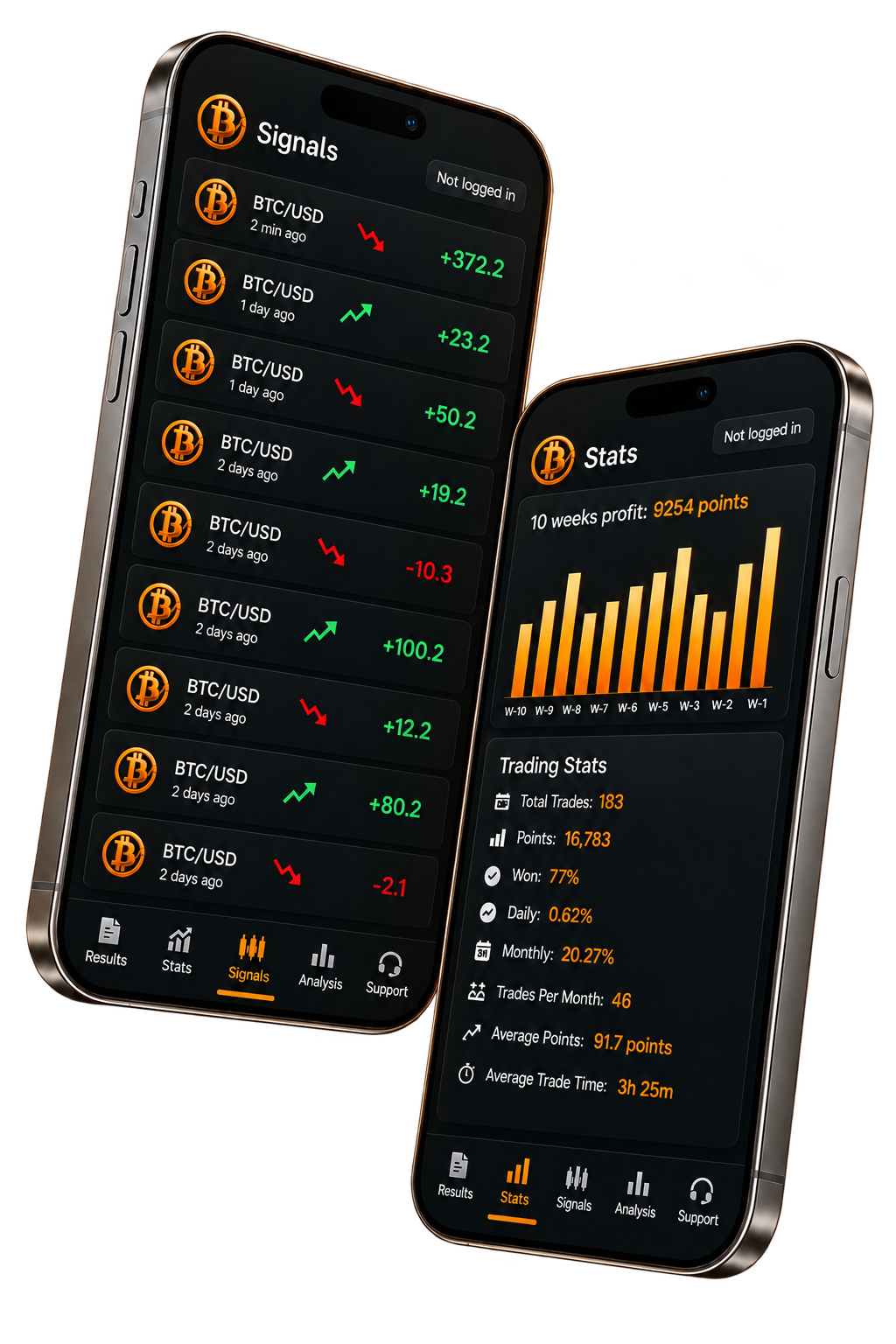
Liquidity and rates
Changes in dollar liquidity, real yields, and risk appetite can alter demand for volatile assets, but the relationship is not fixed.
BTC/USD expresses the value of Bitcoin in US dollars, but the label can describe different products. Spot trading involves the asset on an exchange or through a custody provider. Perpetual futures add funding and liquidation mechanics. Dated futures have expiry and basis. Exchange-traded products follow their own market hours and fee structure.
There is no universal Bitcoin “pip” or lot convention. Contract size, minimum tick, margin, funding, and trading hours depend on the venue. Confirm the specification on the platform you use before applying any calculator or alert.
Changes in dollar liquidity, real yields, and risk appetite can alter demand for volatile assets, but the relationship is not fixed.
Exchange order books, perpetual-futures positioning, funding, options, and liquidations can accelerate moves in either direction.
Fund flows and institutional allocation can affect demand while also increasing sensitivity to broader portfolio risk.
Bitcoin issuance is protocol-defined, while liquid supply depends on holder behaviour, exchange balances, and custody choices.
Rules affecting exchanges, stablecoins, custody, tax, and access can change participation and liquidity.
BTC/USD spot, a perpetual contract, a regulated future, an ETF, and a CFD have different hours, funding, custody, and liquidation risks.
State the price or market condition that confirms the idea. Avoid treating a directional opinion as an entry.
Decide where the thesis is wrong before calculating size. Gaps and slippage can still move execution beyond that level.
Use target levels and a review point. A target is a scenario, not a promise that price will trade or fill there.
The market does not close for weekends or holidays. Leverage, liquidation, exchange outages, custody risk, and thin liquidity can turn a manageable idea into an outsized loss. Use small, pre-defined risk, verify orders on your own platform, and never assume a stop guarantees its requested price.
Bitcoin Signals is an independent alert layer. You remain responsible for every decision and order.