 BITCOIN SIGNALS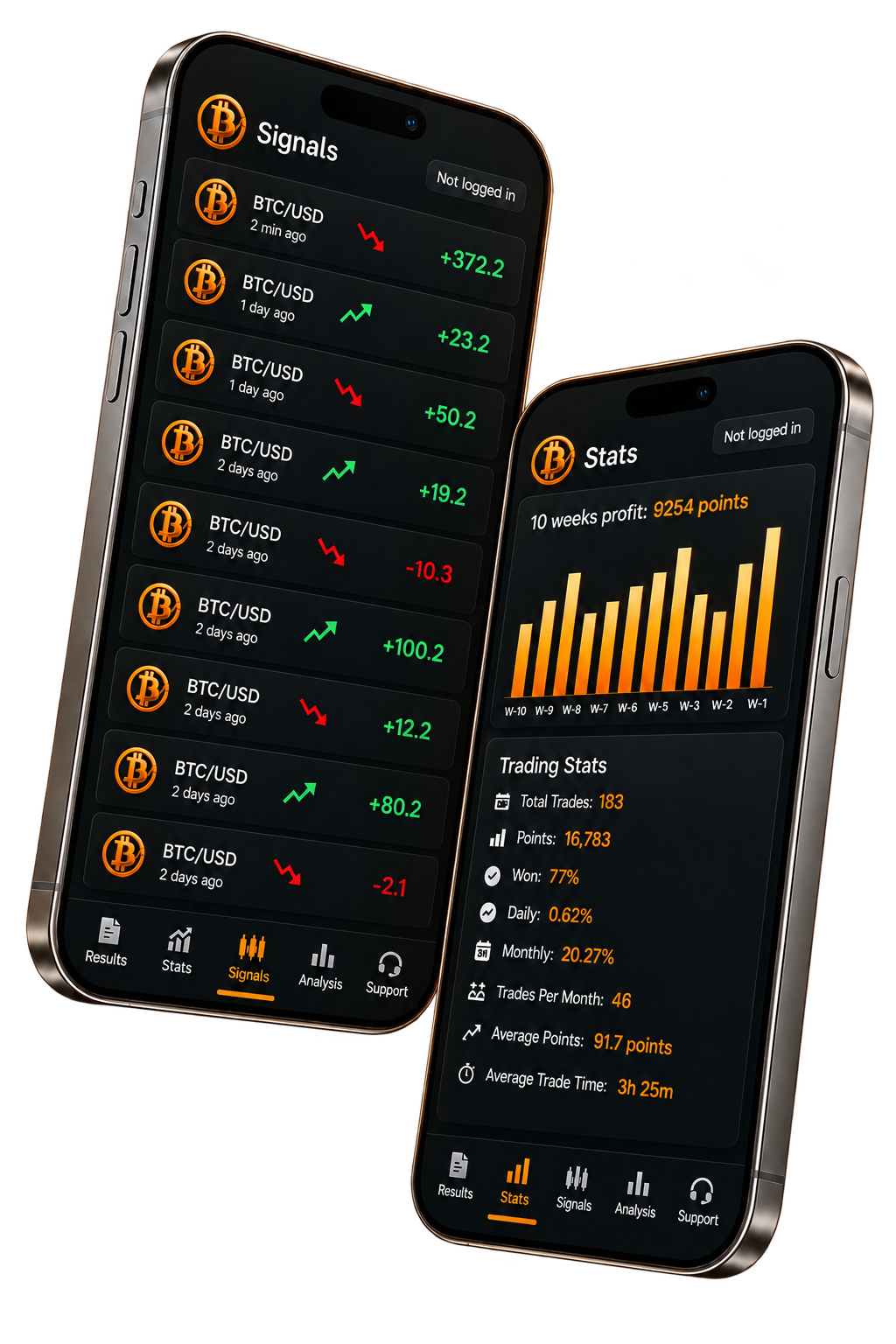
Market structure
Start with the higher-timeframe trend or range, then mark the levels where price has repeatedly accepted or rejected. A level matters because of market behaviour around it, not because a line exists on a chart.
Start with the higher-timeframe trend or range, then mark the levels where price has repeatedly accepted or rejected. A level matters because of market behaviour around it, not because a line exists on a chart.
Compare spot participation with futures basis, perpetual funding, open interest, options positioning, and liquidations. Leverage can amplify a move without proving that spot demand supports it.
Bitcoin trades across many venues. Order-book depth, spreads, exchange conditions, weekend liquidity, and product-specific funding or expiry can change how a setup behaves.
Macro releases, regulation, fund flows, exchange events, and crypto-specific news can change the evidence quickly. Every scenario needs a condition that would make it wrong.
Describe the current structure and volatility without forcing a direction.
State what would support a constructive, range, or defensive path.
Choose invalidation before position size. Account for slippage and venue terms.
A forecast is not an entry. Act only if the stated trigger appears and still fits your plan.
This framework is educational. It does not provide a current price call, personalised advice, or a guaranteed outcome. Confirm live data on the venue and instrument you use.
Review structured alerts, closed outcomes, and focused market education in Bitcoin Signals.